
An Overview
The traction inverter is the central engine of intelligence in light electric vehicles (LEVs) like e-bikes, e-scooters, and compact electric utility vehicles. Without doubt, it is a key component of sustainable transportation.
The LEV market sees rapid growth due to urban expansion, technological advancement, and government growth. According to a study, the global LEV market was valued at USD 78.1 billion and is expected to touch USD 184.9 billion by 2033.
(Source –https://www.iea.org/reports/global-ev-outlook-2025/trends-in-other-light-duty-electric-vehicles)
A fusion of system-level and component-level innovation drives the evolution of the LEV. The system-level innovation emphasizes compact fast charging solutions, battery swapping, AI-driven predictive maintenance, and digital twins. The traction level advancements are governed by the real-time control microcontrollers, modular and scalable designs, advanced sensor integration, optimized PWM control, and AI/ML integration.
This article serves as a comprehensive resource for readers to learn about traction inverters, their applications, and technological advancements in electric vehicle systems.
What Is a Traction Inverter?
In a light electric vehicle, a traction inverter is both the brain and heartbeat. The battery holds raw energy, but it cannot move the motor on its own. The inverter steps in, converts that stored DC power into smooth three-phase AC power, and tells the motor exactly how fast to spin. Modern EV inverters utilize advanced traction inverter technology to manage motor speed, torque, and regenerative braking, improving system efficiency and vehicle range. Gate drivers play a crucial role in ensuring efficient and reliable conversion of DC to AC power for precise motor control. The inverter also manages the supply of electrical power between the battery and the motor, optimizing energy flow for performance and efficiency. Operating between 36V–96V, today’s compact inverters pack surprising power (3kW–15kW) thanks to modern technologies like MOSFETs and SiC semiconductors. Without this single component, no LEV would move.
EV vs LEV Traction Inverter: A Comparative View
To better understand the differences between EVs and LEVs, a quick comparison highlights how traction inverters vary across vehicle categories.
The table below provides a high-level comparison of traction inverter specifications between EVs and LEVs:
| Features | Passenger EV | LEV |
| Voltage Range | 200V–800V | 36V–96V |
| Power Rating | 50kW–300kW | 3kW–15kW |
| Size and Weight | Larger, heavier | Compact, lightweight |
| Thermal Management | Liquid cooling | Air/passive cooling |
| Cost Sensitivity | Moderate | High |
| Semiconductor Tech | IGBT, SiC | MOSFET, SiC |
| Application Focus | Long-range, high-speed | Urban, short-range |
Why Traction Inverters Matter in LEVs
The traction inverters are performance enablers in LEVs. They are far more important than mere power converters. Modern traction inverters offer enhanced capabilities, such as improved motor control, advanced energy management, and seamless integration with vehicle systems, which significantly expand the functionalities and performance of electric vehicles. A traction inverter ensures everything, including precise motor speed and torque control. The regenerative braking system for energy recovery enables improved efficiency and extends the driver’s range by seamlessly managing the energy. It also ensures lesser energy losses since it translates extended battery range at an extremely low operating cost.
Additionally, the traction inverters can seamlessly communicate with the vehicle systems via a CAN bus, as it provides a robust and cost-effective system. Additionally, the enhanced thermal management system allows safe operation, which is necessary to prevent overheating and thermal runaway-like challenges. These systems comply with safety standards such as IEC61508 and ASIL B, fortifying their role in both safety and performance.
Key Application Areas of Traction Inverter in LEVs
The traction inverters enable a wide range of mobility functions across different LEV categories, making them essential in various real-world applications.
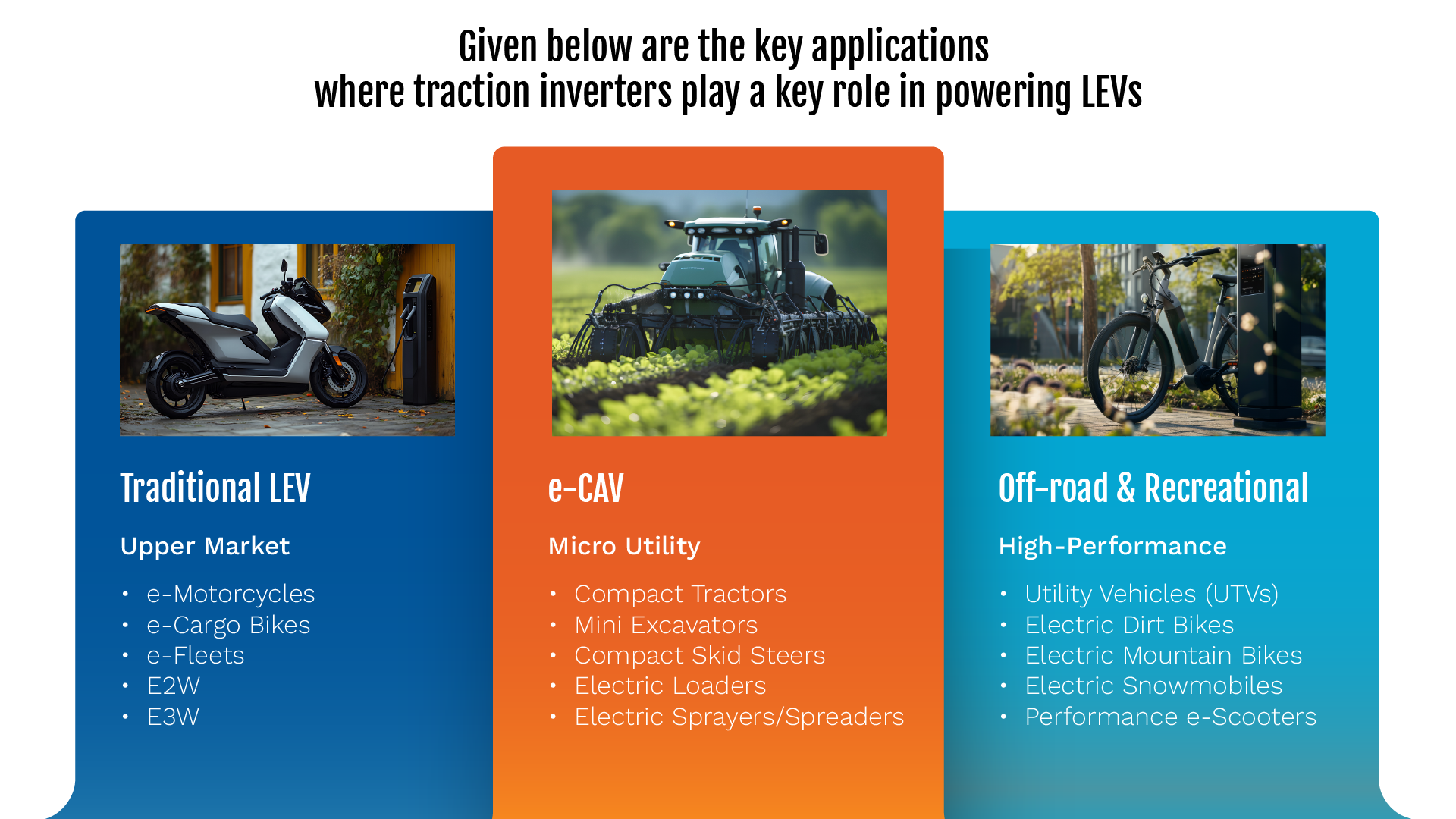
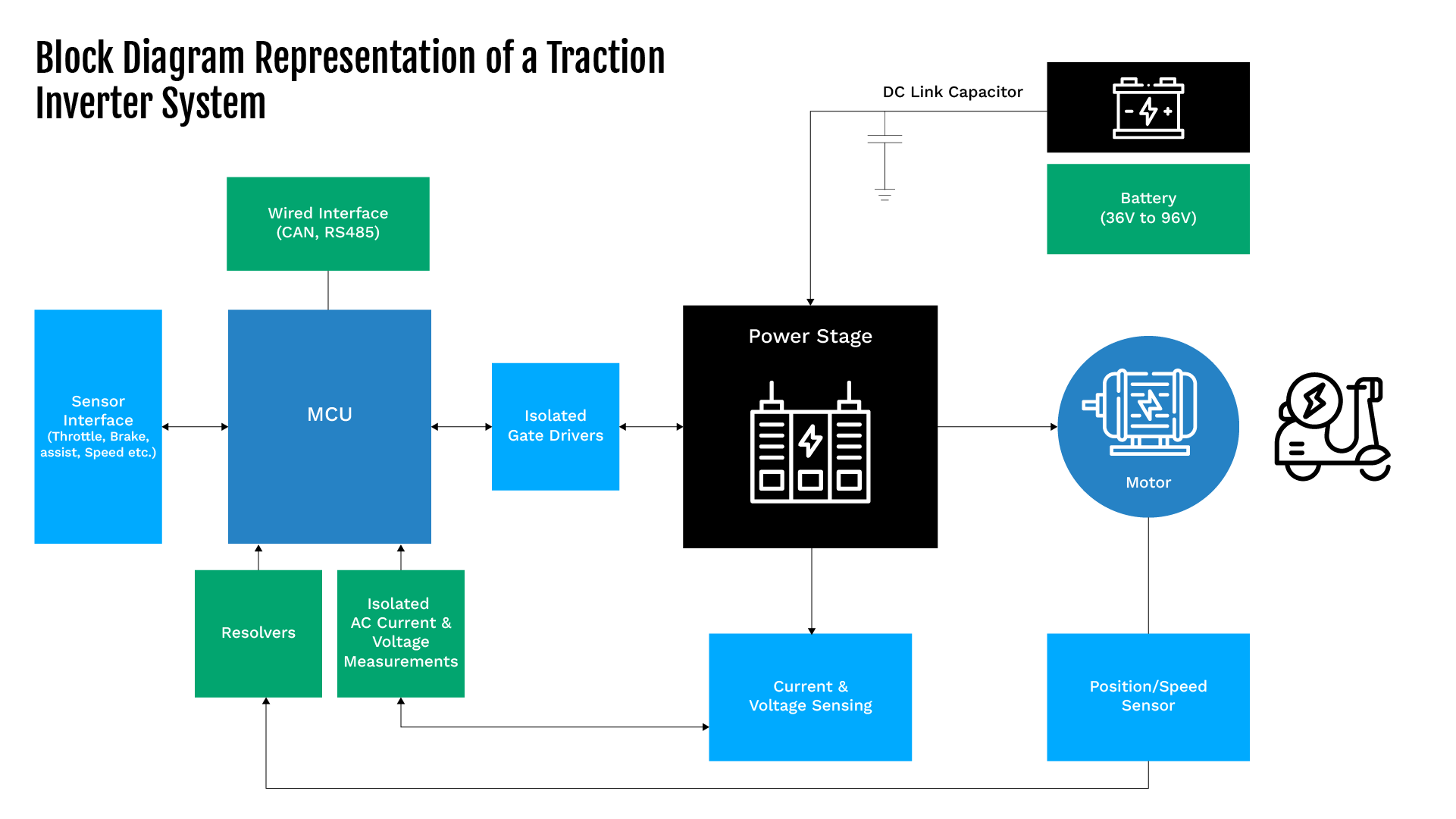
Block Diagram Representation of a Traction Inverter System
Key Challenges in Designing Traction Inverters in LEVs
The designing element of traction inverters for LEVs is often more challenging than simple DC to AC power conversion. The system requires the delivery of high performance in a very compact and cost-effective package while meeting all the essential requirements.
Mentioned below are the key challenges with LEV Traction Inverter Design –
Thermal Management
One of the biggest challenges in the design of the traction inverter include heat dissipation within the compact inverter, which increases the risk of thermal degradation and performance loss. To prevent thermal runaways, advanced heat flow paths, integration of cooling channels, and solid baseplate designs are most essential.
High-Current Connections
LEVs require secure and low-resistance high-current connections in an extremely limited space without compromising the safety or efficiency. It is a challenge to achieve this; it requires a strong insulation method, a laminated structure, and a laminated busbar design strategy.
Galvanic Isolation
To ensure the user’s safety and system integrity, a reliable electrical isolation between the high-voltage and low-voltage domains is necessary. The isolation should be able to sustain fault conditions, sudden transients, and electrical noise, and it should also be able to support fast communication between power and control stages.
Compactness
The integration of electronics and hardware control into a minimal footprint without compromising with performance is essential. This often involves modular architectures, multi-layer PCB design, and optimized packaging to meet the IP67 level protection standards.
Functional Safety
To ensure the safe operation under all driving and fault conditions requires meeting the ISO26262 standards. It is a big challenge to achieve this; the traction inverter targets ASIL B compliance, watchdogs, incorporates diagnostics, and safe-state mechanisms to handle overcurrent and thermal faults.
Software Complexity
The new generation of traction inverters is software-driven with extraordinarily complex control algorithms such as regenerative braking strategies, torque blending, and field-oriented control. The limited processing resources and memory constraints make it challenging to implement cybersecurity measures, implement diagnostics, and OTA updates without compromising performance.
Reliability and Longevity
The LEVs are operated in a very harsh environment and are always exposed to extreme temperatures, moisture, and vibrations. It is necessary for the inverter to deliver consistent performance across all these conditions. Also, the inverter should be able to sustain prolonged use over thousands of load cycles. It needs to be compliant with the ISO16750 environmental standards and secure mechanical design to ensure reliability.
All these factors directly affect the vehicle’s performance, its safety, as well as the user experience. Poor thermal design can shorten the component’s life span, and inadequate isolation can cause catastrophic failures, where the software limitations can compromise energy recovery and torque control. Addressing these challenges benefits LEV manufacturers by delivering efficiency, reliability, and safe mobility solutions.
The eInfochips Solution: Scalable LEV Traction Inverter Reference Design
To address these challenges, eInfochips, in collaboration with Vishay, introduced a low-voltage traction inverter reference design. Optimized for 48V, 72V, and 96V applications, this modular, compact-size architecture supports scalable power ratings from 3kW to 15kW, enabling seamless adaptation to various LEV vehicle classes with minimal redesign.
Built on NXP’s S32K3xx MCU platform and Vishay’s advanced half-bridge MOSFET Power Module, this design offers a complete hardware and embedded software solution, with support for functional safety and pre-compliance with IEC61508 standards. Modular and scalable reference design enables LEV manufacturers to overcome technical challenges, accelerate prototyping, reduce design risk, and shorten time-to-market.
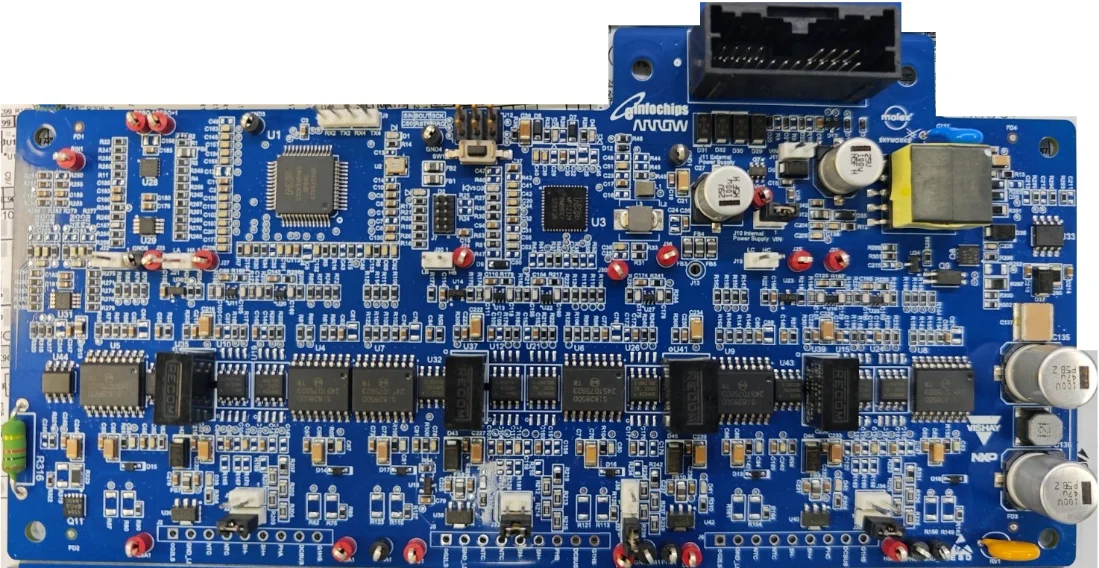
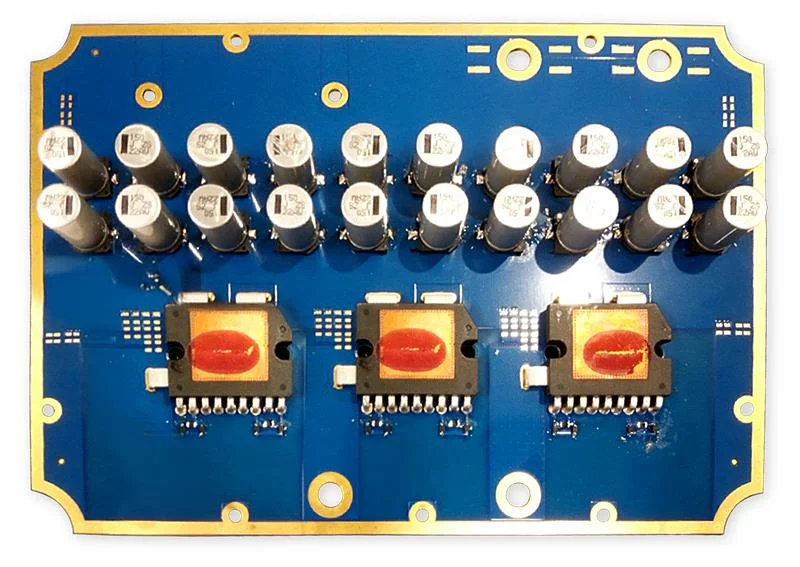
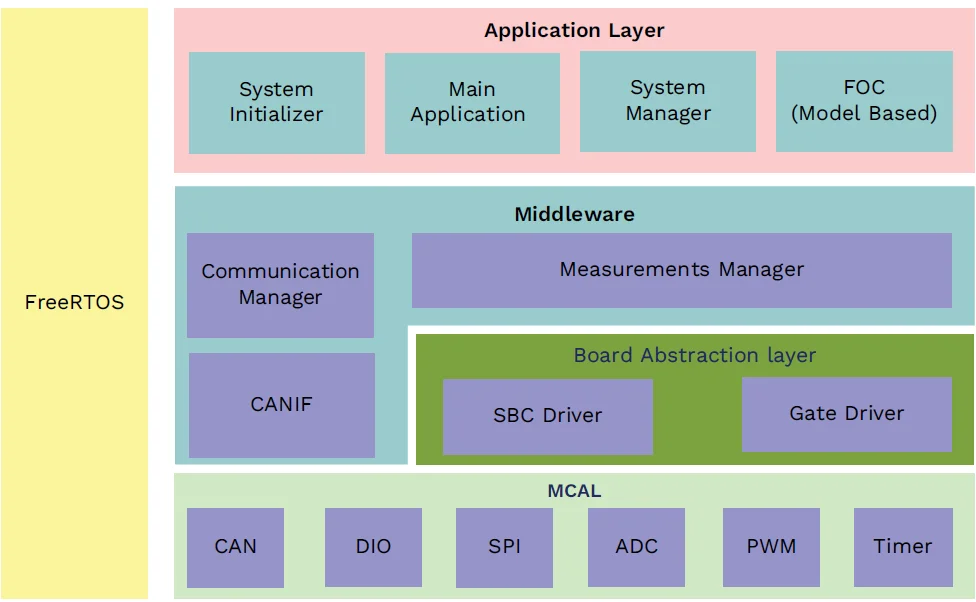
Building blocks of LEV Traction Inverter Reference design:
|
 |
|
Control Board
|
Power Board
|
Application Software
|
To know more, please visit https://www.einfochips.com/scalable-traction-inverter-reference-design-for-light-electric-vehicles
Conclusion
As the demand for sustainable mobility solutions is increasing, LEVs are becoming the top choice for future transportation. The scalable traction inverter design, like the one developed by eInfochips is enabling this shift by combining compact hardware, robust safety features, and intelligent control. With this continuous innovation in power electronics, system integration, and software architectures, LEVs are all set to deliver smarter, safer, and more efficient mobility solutions.